Douro cruises in Porto have a certain magic. This one adds a big-picture theme: six bridges and two cities from the water, with a welcome port drink and clear storytelling as you float along. I especially like the small group feel and how the crew keeps things relaxed, friendly, and easy to follow.
You’ll also want to plan for the practical stuff—out on the river, it can get chilly, especially if you go later for sunset. If weather is rough, the cruise can be adjusted or refunded, so build in a little flexibility.
In This Review
- Key Highlights
- Why This Douro Cruise Works: Bridges, Boats, and Two Cities at Once
- Price and Value: How $21 Stacks Up for a 2-Hour River Ride
- Getting on the Boat at R. do Ouro 160 (Porto) and What the Route Feels Like
- Under the Bridges: D. Luís I, Arrábida, Maria Pia, and the Rest
- D. Luís I Bridge: The Big Starting Point
- Ponte da Arrábida: The Other Arch Bridge Moment
- Infante Dom Henrique and D. Maria Pia: Names With Meaning
- São João Bridge: Northern Line Railway Connection
- Freixo Bridge: Furthest Upstream Feeling
- The Douro’s Working Personality: Rabelos Boats, Fishing Villages, and Myths
- Cantareira to Foz do Douro: From River Banks to Beach Names You Can Picture
- Cantareira: A Music Connection
- Foz do Douro: Affluent, Seaside, and Beach Geography
- Lighthouse Area: When It Was Created and Why It Matters
- Cais de Gaia Across From UNESCO Porto: Where Food and Views Meet
- Sunset Strategy: When the Magic Happens (and When It Doesn’t)
- Hosts, Comfort, and the Small-Group Advantage
- What You’ll Actually See: A Quick Reality Check
- Who Should Book This (and Who Might Skip It)
- Should You Book This Douro River Tour?
- FAQ
- How long is the Douro River tour?
- What does the tour cost?
- What’s included in the experience?
- Is transportation included?
- Where do I meet the tour, and where does it end?
- Is this tour a small group?
- What if the weather is bad?
- Is the ticket mobile?
- Can I bring a service animal?
Key Highlights
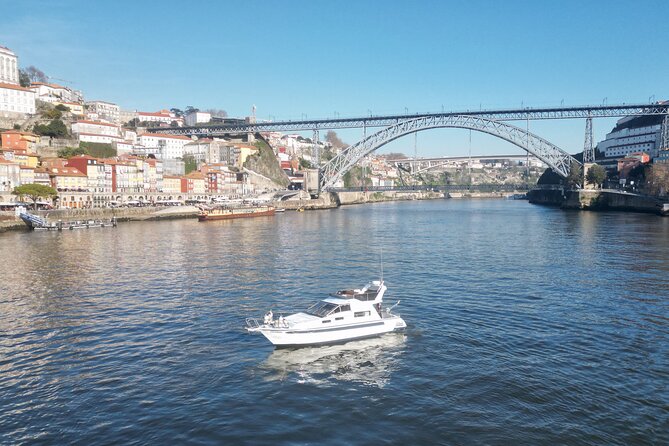
- Six-bridge route that takes you past major crossings from D. Luís I onward
- Port wine welcome that kicks off the trip on a good note
- Chill small-group atmosphere with room to sit and take photos
- Rabelos boat spotting along the Douro’s working-water vibe
- Possible dolphins if you get lucky near the calmer stretches
- Sunset timing can turn the last part of the ride into a golden-hour show
Why This Douro Cruise Works: Bridges, Boats, and Two Cities at Once
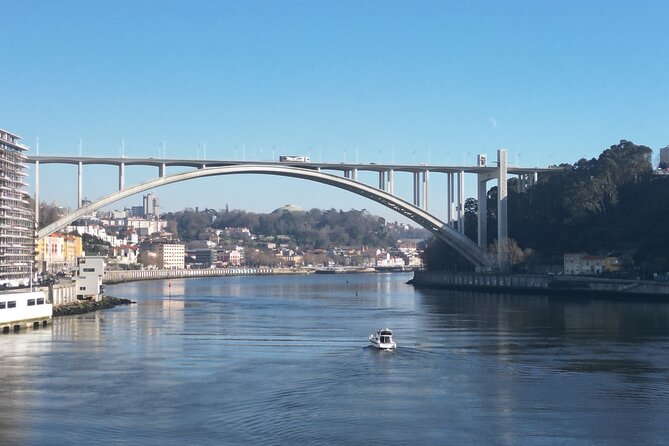
If you want one outing that instantly upgrades how you understand Porto, this is a strong pick. From the water, the city doesn’t feel like a checklist of viewpoints. It feels like a living system: hills, river traffic, ports, and historic neighborhoods all lined up along the Douro.
The tour’s genius is that it doesn’t treat the river as just a backdrop. You’re guided through what you’re seeing—first the bridges that connect Porto and Vila Nova de Gaia, then the shoreline neighborhoods, then the coast at the river’s edge. Even if you’ve only got a day or two in Porto, this format helps you get your bearings fast.
I also appreciate the pacing. You’re not being hustled from one stop to another on land. You’re seated, comfortable, and moving at a gentle rhythm—so it’s easy to focus on the views, not the logistics.
Price and Value: How $21 Stacks Up for a 2-Hour River Ride
At about $21 for a roughly 2-hour cruise, this sits in the value zone—especially because it’s not just scenery. You get a welcome port wine included, plus guidance that links the bridges and neighborhoods together into a coherent story.
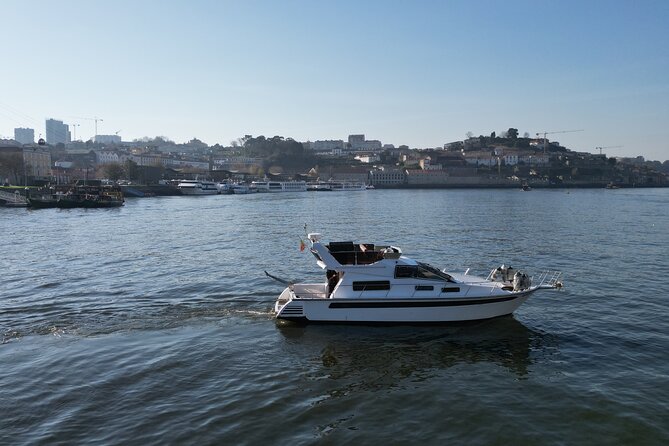
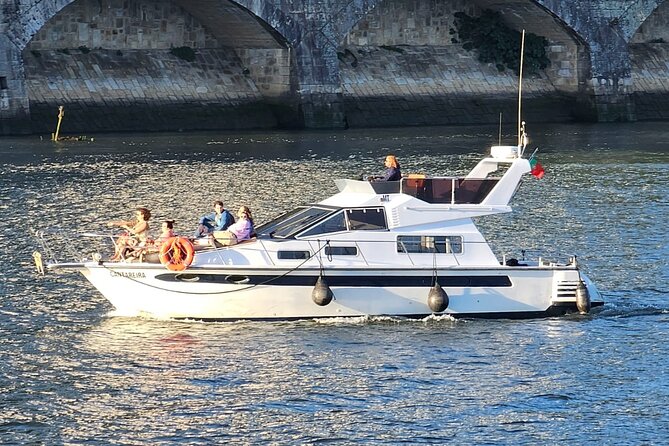
A lot of river tours charge similarly, but the difference here is the personal tone. The boat is kept small (maximum 8 travelers), and the crew comes across as hands-on—blankets when it gets cool, lifevests for kids when needed, and quick support when you want a better view or a photo angle. That’s the kind of “small company” feel that makes the price feel fair rather than bargain-basement.
The main thing to keep in mind: you’re paying for a short, focused cruise. This isn’t an all-day excursion with long land walks. If you want museums or a deep dive on one neighborhood, you’ll probably pair this with time on foot in Porto’s historic center after.
Getting on the Boat at R. do Ouro 160 (Porto) and What the Route Feels Like
The meeting point is R. do Ouro 160, 4150-685 Porto, Portugal, and the tour ends back at the same place. That round-trip setup is simple. No complicated transfers. No mystery drop-off.
You’ll also be near public transportation, which matters if you’re building this into a day that already includes the Ribeira area or other Porto landmarks. And because it’s a small-group trip, the ride tends to feel more personal—less like you’re being squeezed into a crowd for a quick photo and more like you’re part of a moving conversation.
One practical note from how the tour is described and how it’s run: it’s best to dress for wind. Even when the air feels fine, river air can shift your comfort fast. If you’re sensitive to cold, you’ll be happier planning layers.
Under the Bridges: D. Luís I, Arrábida, Maria Pia, and the Rest
This is the part that makes the tour feel like it has a theme. The route is built around some of the Douro’s most recognizable bridge moments—plus a few details that help the structures make sense.
D. Luís I Bridge: The Big Starting Point
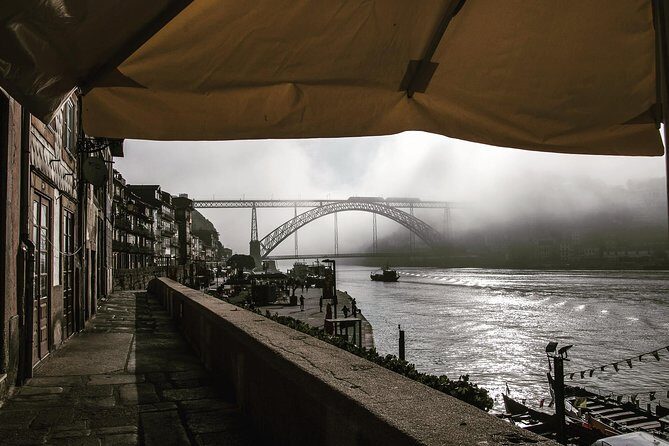
The cruise kicks off with the D. Luís I Bridge—an iconic metal structure with two decks, built between 1881 and 1886. As you pass it, the guide explains how it connects Porto and Vila Nova de Gaia across the river. From the water, you can actually see why this bridge is so central to the Porto-Gaia story: it’s not just a crossing; it’s part of the city’s identity.
Ponte da Arrábida: The Other Arch Bridge Moment
Next comes Ponte da Arrábida, another arch bridge over the Douro that also links Porto and Vila Nova de Gaia. Seeing it from the river helps you understand how the Douro shaped the design choices—curving forms, careful spans, and structural elegance that also serves practical movement between neighborhoods.
Infante Dom Henrique and D. Maria Pia: Names With Meaning
The tour then covers the Infante Dom Henrique bridge, and it slows down on a key naming story: who D. Maria Pia was and why that bridge carries her name. This is exactly the sort of background that makes architecture feel human instead of just old stone and steel.
São João Bridge: Northern Line Railway Connection
You’ll also learn about the São João Bridge as railway infrastructure transporting the Northern Line over the Douro, built to replace the older D. Maria Pia Bridge. The reason for existence is part of the explanation—how modern transportation needs reshaped what the river crossings had to do.
Freixo Bridge: Furthest Upstream Feeling
Finally, the tour reaches the Freixo Bridge, described as the most upstream bridge on the Douro River. When you get to that point in the ride, the atmosphere often shifts: fewer high-speed urban vibes, more of that “this river has history and work” feeling.
The Douro’s Working Personality: Rabelos Boats, Fishing Villages, and Myths
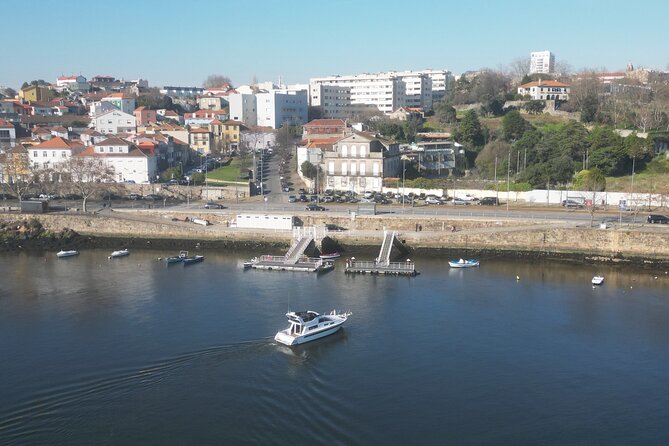
After the bridge run, the cruise moves into the parts of the river that feel more lived-in.
You’ll pass by the famous rabelos boats, and the guide explains their characteristics. Even if you’ve seen photos of these traditional wooden boats before, seeing them from the water helps you understand how the Douro’s shape and currents mattered for moving goods—especially in wine country.
The itinerary also includes a stop for an old fishing village. Expect the guide to frame it as a way of understanding local life along the shoreline: who lived here, what the river meant for everyday routines, and how the shoreline communities developed around access to water.
There’s also mention of stories and myths tied to Porto and Gaia—small legend-like connections that help you remember what you just saw. When a guide ties a myth to a physical spot you’re actively looking at, it sticks.
Cantareira to Foz do Douro: From River Banks to Beach Names You Can Picture
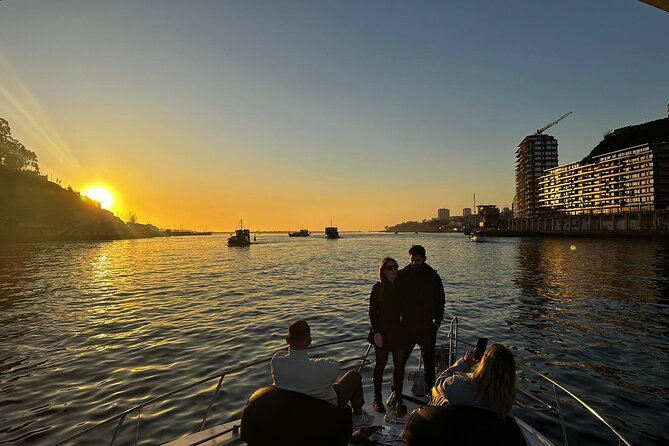
This part matters because it changes the mood from city-river to sea-river.
Cantareira: A Music Connection
As you approach the Cantareira area, the guide brings in a famous Portuguese singer who wrote about this same area. Even without getting lost in details, this kind of cultural link makes the shoreline feel more like a place with identity than just a stretch of coast.
Foz do Douro: Affluent, Seaside, and Beach Geography
Next is Foz do Douro, described as an affluent seaside area known for sandy beaches. The tour specifically calls out beaches such as Praia da Luz and Praia do Homem do Leme. As you glide by, you can start to visualize how the Douro’s mouth relates to the Atlantic-facing coast—where river travel ends and the sea begins.
Lighthouse Area: When It Was Created and Why It Matters
The cruise also discusses a lighthouse: when it was created and how it was used in the past. That detail is useful because it answers the obvious question your brain will ask as you see it: what purpose did this structure serve before the modern world made navigation easier?
You won’t leave with a single “lighthouse trivia fact.” Instead, you’ll understand why this spot exists along the waterline at all.
Cais de Gaia Across From UNESCO Porto: Where Food and Views Meet
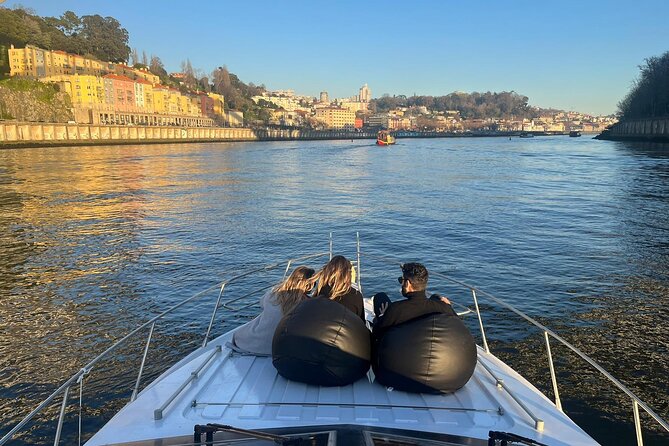
On the Gaia side, the tour reaches Cais de Gaia, a tourist area with terraces, restaurants, and bars on the left bank of the Douro, opposite Porto’s historic center (UNESCO World Heritage site).
From the river, you get a clean perspective on the Porto-versus-Gaia layout. It’s not abstract. You can see how the river divides the cities and how the waterfront became a place for gathering—especially as tourism grew around viewpoints that are best enjoyed from the water in the first place.
If you’re the kind of traveler who likes an easy next step after a tour, Cais de Gaia is a natural place to wander after you get off the boat.
Sunset Strategy: When the Magic Happens (and When It Doesn’t)
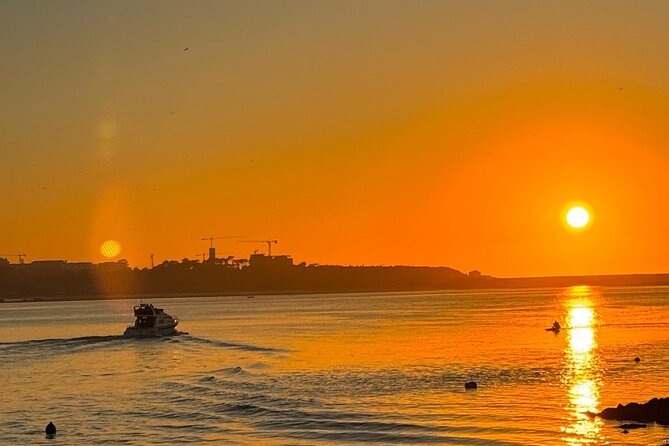
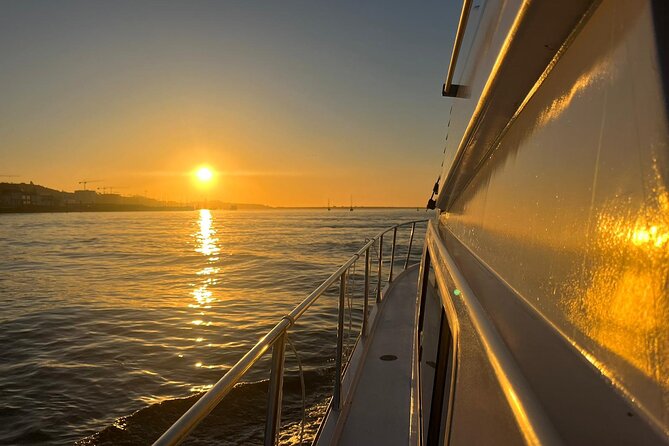
Late afternoon can be a highlight. The tour description specifically notes that if you come later, you might get a magical sunset near the ocean.
I like planning sunset outings with one mindset: accept that weather is a co-pilot. The experience requires good weather, and if it’s canceled due to poor conditions, you’re offered another date or a full refund. That’s the right kind of safety net for a short cruise where clouds can make or break the vibe.
Also, even when the sun is out, it can still feel cold outside. Many people are glad the crew provides blankets—so if your trip is sunset-focused, bring light layers but count on comfort support.
Hosts, Comfort, and the Small-Group Advantage
This is one of the most consistently praised parts of the trip. The crew is described as friendly, accommodating, and attentive to comfort. Names that come up include Claudia, Isabel, and also Jonas and Bernardo on certain departures.
A few comfort details stand out:
- There’s seating and enough room to actually see, not just watch through other people’s phones.
- Blankets can be provided if the air turns chilly.
- Kids can get lifevests when needed.
- The boat feels well kept and not overcrowded.
That last point is important. The max group size is 8 travelers, and when it’s that small, you usually get a calmer experience. You’re more likely to hear the explanations clearly, and you have better chances of finding your own angle for photos.
What You’ll Actually See: A Quick Reality Check
You should expect a route that moves through major bridge crossings, then out along calmer parts of the Douro, with a chance to see dolphins depending on luck. The tour also goes toward the sea area near the ocean as it heads toward the river’s mouth.
One interesting practical advantage: you’re not staying only in the most congested stretch. The description and route feel designed to give you a wider view of how Porto and Gaia look when you go farther than the immediate waterfront photo spots.
If you love architecture, this is a strong match. If you love calm travel with good conversation and a drink in hand, it also works.
Who Should Book This (and Who Might Skip It)
Book it if you:
- Want a high-value 2-hour activity in Porto that’s not just wandering
- Like the idea of learning while you look—bridges, coastlines, and city layout
- Prefer small-group experiences over large boat crowds
- Plan to be in Porto around sunset and want that lighting
Consider skipping if you:
- Need a long, multi-stop walking tour with lots of time on land
- Hate cold wind on open boats (even with blankets, you may not love it)
- Want a strict focus on one topic only. This trip covers many sights, so it’s breadth-first.
Should You Book This Douro River Tour?
I think it’s a good booking choice for most first-timers to Porto who want a quick upgrade in perspective. The mix of major bridge spotting, port welcome, and waterfront storytelling is a smart use of time. Add in the small group size and the comfort touches, and the tour feels less like a generic sightseeing cruise and more like a well-run introduction to Porto and Gaia from the water.
If you can, target a late afternoon slot for sunset. If the forecast looks messy, don’t force it—good weather is part of what makes this ride truly work.
FAQ
How long is the Douro River tour?
It runs for about 2 hours.
What does the tour cost?
The price is listed as $21.
What’s included in the experience?
You get a port wine welcome drink (alcoholic beverage).
Is transportation included?
No private transportation is included.
Where do I meet the tour, and where does it end?
You start at R. do Ouro 160, 4150-685 Porto, Portugal, and the activity ends back at the same meeting point.
Is this tour a small group?
Yes. The maximum group size is 8 travelers.
What if the weather is bad?
The experience requires good weather. If it’s canceled due to poor weather, you’ll be offered another date or a full refund.
Is the ticket mobile?
Yes, it uses a mobile ticket.
Can I bring a service animal?
Service animals are allowed.