Porto tastes best with a plan. This 3-hour food tour strings together breakfast pastry and a market tasting of cured meats, cheese, canned bites, and vinho verde, then finishes with dried fruits and lunch with bifana and fino, so you spend less time guessing and more time eating. I love that it’s in a small group (up to 8 people), which makes it easy to ask questions. I also love that every stop is real food, not token samples. One consideration: it depends on good weather, since you’ll be walking between places.
Your guide for the day is João, and the vibe is friendly and easy. You start at Av. dos Aliados at 10:00 am, and the pace is built for a 3-hour morning run: guided tastings, short stops, and plenty of chances to learn why these foods work together in Porto.
In This Review
- Key Things I’d Pay Attention To
- Four Stops, One Solid Morning in Porto
- Price and What You Actually Get for $101.54
- Meeting at Av. dos Aliados and the Built-In Pace
- Stop 1: Portuguese Breakfast and Pastry That Sets Your Appetite
- Stop 2: Porto Market Tastings of Cured Meat, Cheese, Cans, and Vinho Verde
- Stop 3: Dried Fruits in an Old Grocery Store
- Stop 4: Bifana and Fino Lunch for the Real Payoff
- Why João’s Style Makes the Tour Work
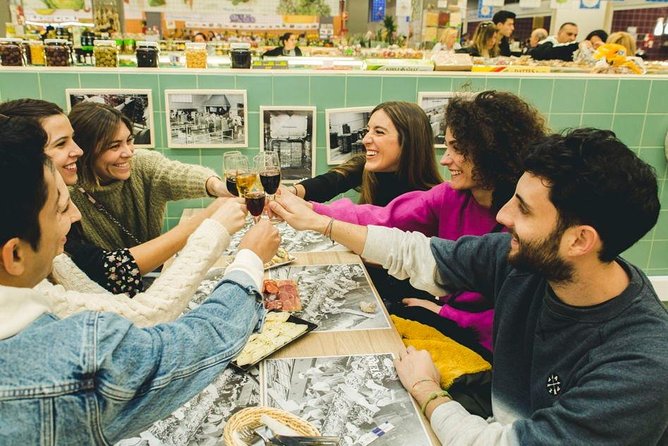
- Small Group Size (8 Max) and How It Changes Your Experience
- Food Restrictions and How to Handle Them
- Practical Tips to Get the Most From This Morning
- Who This Porto Food Tour Is For
- Should You Book This Porto Food Tour?
Key Things I’d Pay Attention To
- Small group cap of 8: less waiting, more conversation.
- Four food moments in 3 hours: breakfast pastry, market tastings, dried fruits, then lunch.
- Local-style lunch pairing: bifana with fino, a classic combo for a reason.
- English tour format: you won’t need to “figure it out” as you go.
- Old grocery stop for dried fruits: it adds texture and Portugal-specific flavor beyond the big market hits.
Four Stops, One Solid Morning in Porto
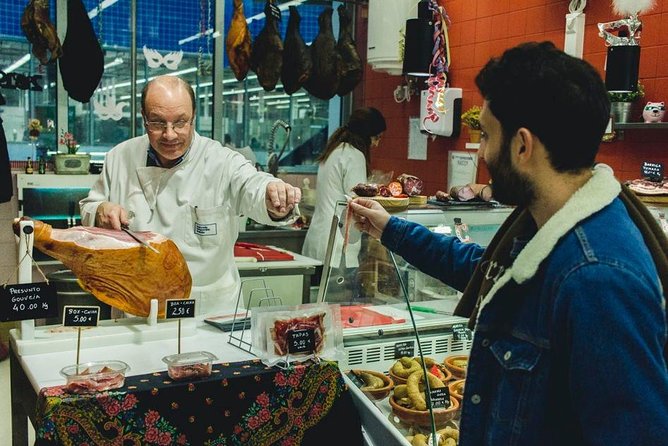
This is the kind of Porto food tour that makes sense if you’re the type who wants results, not just wandering. In about three hours, you’ll hit four focused moments that build on each other: something to start your day, then a market sampler, then a quieter tasting stop, and finally a proper lunch.
The format is practical. Each stop runs around 30 minutes, except lunch, which lasts about 1.5 hours. That means you’re not stuck on a long sit-down meal the whole time, but you also aren’t rushed through food. You get time to taste, ask questions, and reset your bearings.
And since it’s in English, you can actually use the info. Food tours work best when you understand what you’re eating and why it matters—ingredients, local labels, and how people in Porto think about pairings like cured meat plus cheese plus vinho verde.
Price and What You Actually Get for $101.54
Let’s talk value, because €uros and dollars can turn into “meh” fast on tours. At $101.54 per person for roughly 3 hours, you’re paying for more than walking with a guide. You’re paying for structured tastings across multiple food stops.
Here’s what that looks like in plain terms:
- A Portuguese breakfast and pastry at the start
- A market tour with tastings (cured meats, cheese, canned bites, and vinho verde)
- Dried fruits tasting in an old grocery setting
- A local lunch that includes bifana (the sandwich) and fino (beer)
You also avoid the extra hassle of piecing together your own route. Instead of paying separately for snacks, drinks, and a lunch at random spots, this tour bundles everything into a guided plan. For many people, that bundling is the real value: fewer decisions, fewer detours, and less risk you picked a mediocre place.
One more cost-related upside: the stops indicate free admission tickets for those parts of the experience. In other words, you’re not usually paying extra entry fees on top.
Meeting at Av. dos Aliados and the Built-In Pace
Your start point is Av. dos Aliados 137, 4000-064 Porto, Portugal, and the tour begins at 10:00 am. The route is designed to loop back to the meeting point at the end, which is great if you don’t want to fight your way across town afterward.
It’s also listed as near public transportation, which matters in Porto because neighborhoods and transit stops can feel spread out. Starting at a central, easy-to-reach location helps you commit to the tour without turning the morning into a side quest.
The timing is another smart piece. A late morning food tour can feel heavy. This one starts at 10:00 am, so you’re hitting the day when you’re ready to eat again after breakfast—then you build toward lunch while you still feel hungry enough to enjoy it.
Finally, with a maximum of 8 people, the guide can keep the group tight. That usually means less waiting at stalls and faster regrouping.
Stop 1: Portuguese Breakfast and Pastry That Sets Your Appetite
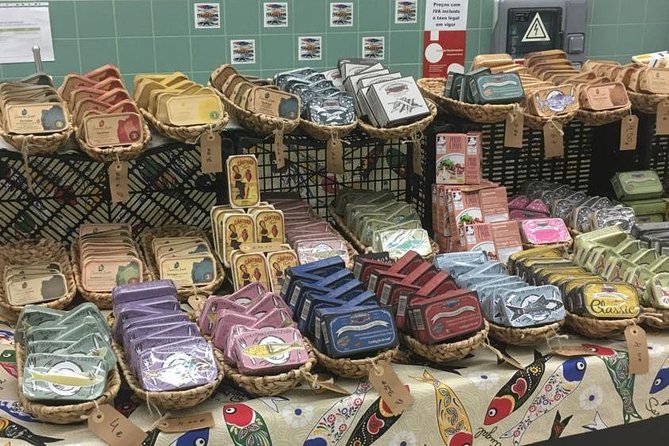
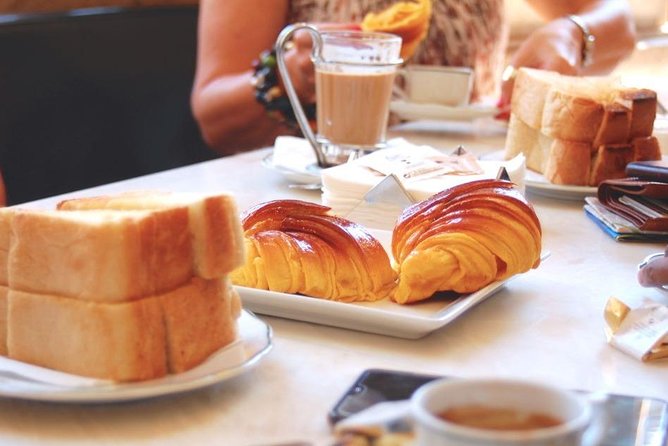
The tour begins with Portuguese breakfast and pastry, about 30 minutes. This is not just “eat something” padding. Starting with a pastry-style breakfast helps you get into the local rhythm before the market part kicks in.
Why this matters for your experience:
- You start with flavors that feel local right away, instead of jumping into savory tastings on an empty stomach.
- You’re in a calmer mood at the beginning, so it’s easier to learn how the tour will run.
- You set expectations for sweetness and texture—then you’ll notice how later snacks and cured foods balance it.
A small drawback to consider: breakfast pastries can vary widely depending on what’s offered. If you have a strict allergy or a diet requirement, you’ll need to communicate it before the tour so the guide can steer you toward something safe.
If you’ve got no restrictions, this first stop is the easiest win. It’s simple, it’s familiar enough to get comfortable, and it primes you for the heavier tastes ahead.
Stop 2: Porto Market Tastings of Cured Meat, Cheese, Cans, and Vinho Verde
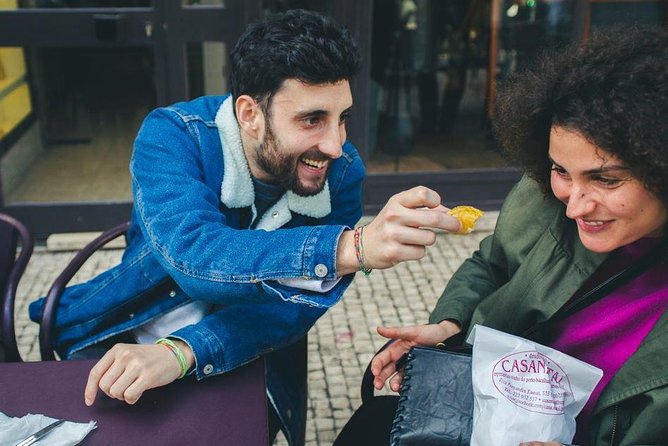
Next comes the market tour, about 30 minutes. This is where the Porto story turns from bread-and-butter into classic, salty, snackable flavors.
You’ll taste:
- Cured meat
- Cheese
- Cans
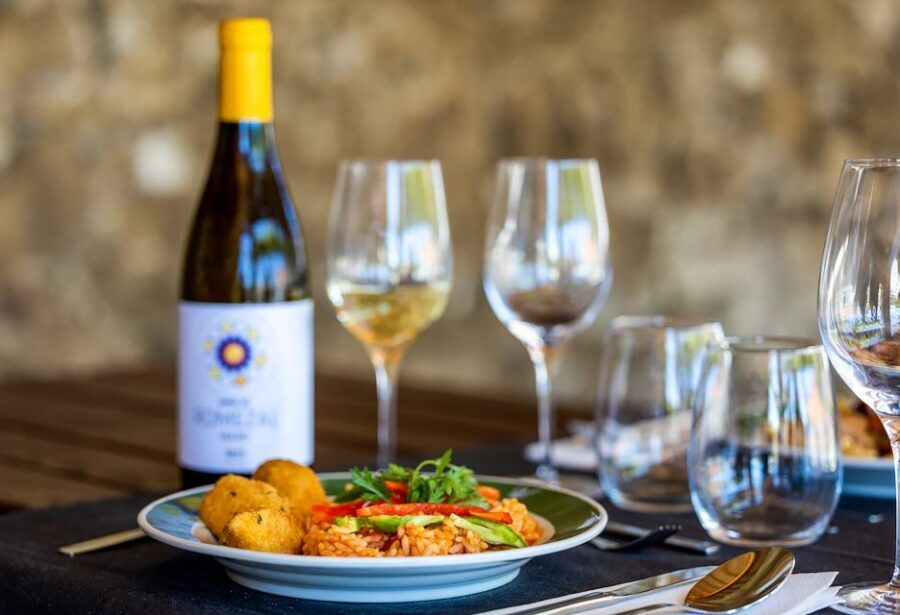
- Green wine (vinho verde)
That list is smart because it reflects how Portuguese snacking often works: mix-and-match textures and salt levels. Cured meat brings intensity. Cheese adds fat and roundness. Cans add that Portuguese habit of choosing portable, ready-to-eat items. Then vinho verde brings acidity and a lighter feel to reset your palate.
If you want to get the most out of this stop, ask your guide how the flavors are meant to connect. Even a short explanation can help you notice the differences between bites—why one cheese works better with a certain cured meat, or why vinho verde feels like a palate wipe rather than a heavy drink.
Also, since this part is in a market setting, it’s helpful to wear comfortable shoes. Even when the group is small, you’re still moving between food stands and tasting stations.
Stop 3: Dried Fruits in an Old Grocery Store
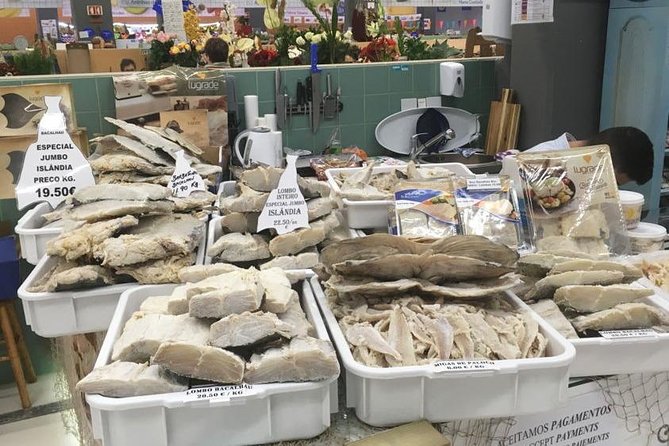
After the market energy, you switch gears for about 30 minutes of dried fruit tasting in an old grocery store. This stop is quietly important because it breaks the pattern of meat-and-cheese only.
Dried fruits add:
- a chewy sweetness
- a concentrated flavor profile
- a different texture against savory tastings
This is the kind of stop that makes you appreciate variety. You’re not just collecting “things to eat.” You’re learning how Porto food can move from salty to sweet without losing that snackable, everyday feel.
If you’re the type who tends to skip dried fruit because it feels like a safe, boring option, this stop can change your mind. Dried fruits are simple, but they’re not all the same. Here you get a tasting approach, which helps you pick up what you actually like instead of settling for the generic kind you buy in a supermarket back home.
Stop 4: Bifana and Fino Lunch for the Real Payoff
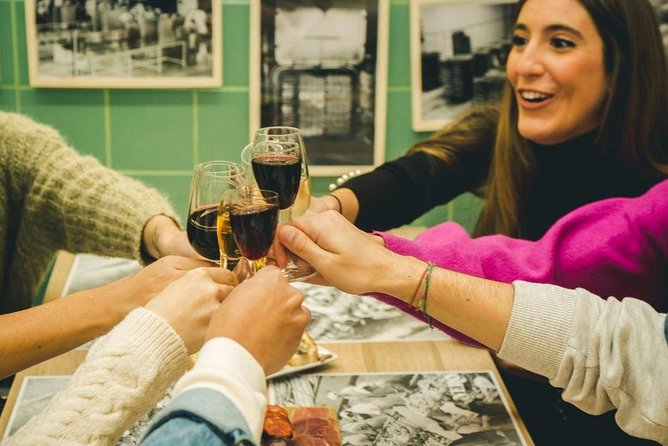
The last big move is lunch: about 1 hour 30 minutes, featuring bifana (a local sandwich) and fino (beer). This is where the tour earns its word “filling.”
Bifana matters because it’s street food that became a standard. It’s not fancy, but it’s deeply Porto. It also gives you a warm, hearty anchor after several tasting bites earlier in the tour.
Pairing it with fino beer is a practical choice. Beer with a salty sandwich tends to make the whole meal feel lighter and more drinkable. It’s also the kind of pairing your guide can help you understand quickly—what makes the sandwich work, and why locals often keep it simple.
One small consideration: because lunch is long compared to the earlier stops, you’ll want to arrive hungry and paced. If you snack too heavily before the tour starts, you may not enjoy lunch as much. Keep the morning light, then let the tour do the heavy lifting.
Why João’s Style Makes the Tour Work
The best food tours have a secret ingredient: the guide’s tone. The guide here is João, and the feedback around him points to a combination of friendliness and clear explanations. That matters because it changes the tour from eating to learning—without turning it into a lecture.
A good guide does three things well:
- explains what you’re tasting in normal language
- keeps the pace moving
- makes the stops feel like a conversation, not a checklist
João’s vibe shows up in how people describe the tour: fun, educational, and filling. That trio is exactly what you want from a morning food tour. You don’t want it to drag. You don’t want it to be vague. And you do want to leave satisfied.
For you, that means you’ll likely come away with a better sense of what to order on your own later in Porto—especially when you’re thinking about cured meats, cheeses, and pairing drinks.
Small Group Size (8 Max) and How It Changes Your Experience
A cap of 8 people might not sound dramatic on paper, but on the ground it matters.
With a small group:
- you spend less time waiting at each tasting point
- it’s easier to hear the guide over stall noise
- the guide can check in on people and adjust pacing
- you get a more personal feel, even in busy market areas
It also tends to make photos and movement smoother. Instead of a line of people bumping into each other, you get a tighter group flow.
If you’re someone who likes group tours but hates feeling like a number, this cap is a solid reason to book.
Food Restrictions and How to Handle Them
This experience asks you to communicate food restrictions like allergies or special diets. That’s not a small detail. It’s essential.
Before you book, think through what applies to you:
- allergies (especially dairy, nuts, or alcohol)
- dietary style (vegetarian, vegan, etc.)
- any foods you avoid for health or personal reasons
Then message the provider so João and the team can plan. Since the tour includes specific tastings (cured meat, cheese, canned items, vinho verde, bifana, fino), you want to be sure substitutions or alternatives are possible.
If you don’t have restrictions, you can focus on enjoying the flow.
Practical Tips to Get the Most From This Morning
You’ll enjoy this tour more if you show up ready to eat and move.
A few practical ideas:
- Wear comfortable shoes for market-style walking and standing.
- Bring a way to carry small items (napkins, water bottle if allowed where you are).
- Go easy on heavy breakfast beforehand so lunch still tastes great.
- Have one or two questions ready for the guide, like what pairs best and what locals order most.
Also, because it depends on good weather, bring a light layer or pack a small umbrella if the forecast looks uncertain. Market days can turn quickly.
Who This Porto Food Tour Is For
This tour is a strong fit if you want:
- a guided Porto food route that stays focused
- tastings plus a proper lunch, all in about 3 hours
- a small group experience in English
- a route that includes key Porto flavor notes: cured meats, cheeses, vinho verde, bifana, and fino
It’s also a good choice if you’re short on time. You get multiple stops without spending your day building your own itinerary.
If you’re looking for big museum sights or long walks through neighborhoods, this is not that kind of tour. This is about food, tastings, and local eating culture.
Should You Book This Porto Food Tour?
I’d book it if you want a practical, food-first morning in Porto and you like the idea of eating your way through breakfast, market tastings, a dried fruit stop, and a lunch you’ll actually remember.
The “yes” case is strong because you get multiple tastings at every stop, a real lunch with bifana and fino, and the small group size helps the experience stay personal. The only clear “maybe” is the weather factor and the need to communicate food restrictions if you have them.
If your dates line up with good weather and you’re comfortable sharing a meal-focused itinerary, this is a solid value for an organized Porto food tour.